Emergency Water Damage Cleanup and Drying in Wildomar, CA
Water in the house is a race. Plumbers serving Wildomar stop the source, pump out standing water and dry what can be saved, then remove mold and damaged materials where they have to go.
- Licensed and insured plumbers
- Same-day service when available
- 24/7 emergency dispatch
The First Hour After Water Gets In
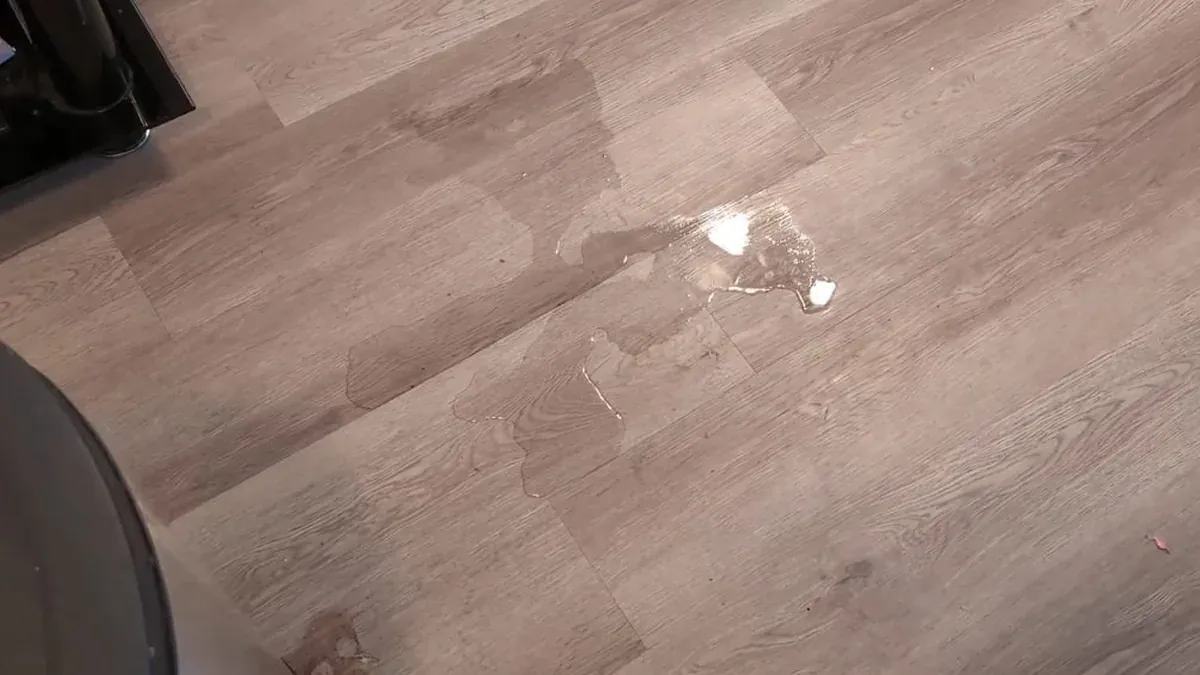
Water damage does most of its harm in the first day. Wet drywall softens, carpet pad holds moisture against the floor and mold can start within a couple of days. The quicker the water is stopped and removed, the less of the house has to be torn out.
- Stop the source: close the main shutoff or the fixture valve.
- Keep power off in wet areas, and stay clear of outlets and cords.
- Move furniture, rugs and valuables out of the water.
- Photograph everything before cleanup, including the source of the water.
- Call the water damage line and describe what got wet.
Water in the House? Call the Water Damage Line
Dispatch answers 24/7. Say what got wet and whether the source is stopped, and a plumber serving your area confirms the next step.
Water Extraction and Removal
Extraction is the first job. Pumps and wet vacuums pull standing water off floors and out of low spots, and the sooner they run, the less water soaks into materials. A bathroom leak that has stained a ceiling, a burst pipe under a sink or a collapsed ceiling all start the same way.
After the bulk water is gone, moisture meters map what is still wet. Wet is not only what you can see. Water wicks up drywall, spreads under flooring and hides in insulation, and the meter finds it before the damage shows.
Drying Equipment: Air Movers and Dehumidifiers
Drying is controlled evaporation. Air movers blow air across wet surfaces to lift moisture, and dehumidifiers pull that moisture out of the air so it does not settle somewhere else.
| Equipment | What it does | Where it is used |
|---|---|---|
| Air movers | Push air across wet surfaces to speed evaporation | Floors, lower walls, carpet |
| Dehumidifiers | Remove moisture from the air | Throughout the affected rooms |
| Moisture meters | Measure how wet a material is | Walls, floors, framing |
| Thermal cameras | Show temperature differences that point to wet areas | Ceilings, walls, behind cabinets |
| Wet vacuums and pumps | Remove standing water | Floors, crawl spaces |
Equipment rental after rain flooding follows the same logic. Setting units without measuring the moisture afterward is guessing. A daily reading shows what is drying and what is not.
Flooring, Carpet and Hardwood
| Material | Usual outcome when wet | Why |
|---|---|---|
| Carpet | Often dried in place if the water was clean | Fibers dry quickly, but the pad underneath may need to be removed |
| Carpet pad | Usually removed | It holds moisture against the floor and is simple to replace |
| Hardwood | Dried carefully with specialized equipment, or removed if cupped | Wood swells and cups as it absorbs water |
| Laminate and vinyl plank | Often removed | Edges swell and water gets under the planks |
| Tile | Usually kept; the subfloor is the concern | Tile does not absorb, but water sits underneath |
| Drywall and insulation | Cut out where saturated | Wet drywall and insulation hold water and breed mold |
Hardwood floors that cup after a washer valve break or an air conditioner condensate leak are a common call. Drying early sometimes saves them. Late drying rarely does. Removal and drying are what this page covers. Rebuilding finished surfaces afterward is a separate trade.
What Happens on a Job
- Call and describe what got wet and where the water came from.
- Someone arrives, stops or confirms the source is stopped and inspects the damage.
- Water is extracted and unsalvageable materials are removed.
- Equipment is set, and moisture is measured each day.
- When readings show the materials are dry, equipment comes out.
- A final reading and a record of the job are given to you.
Wet Floors and Walls? Start Drying Today
The first day decides how much has to be removed. Call and describe the damage.
Sewage Backup Cleanup
Sewage is contaminated water and it is handled differently. Porous materials it touched, such as carpet, pad and drywall, are removed rather than dried. Hard surfaces are cleaned and disinfected. The area is kept sealed off while work is done.
The cause of the backup has to be fixed, or it comes back. A plumber clears or repairs the line, and the sewer camera inspection and clog removal pages explain how.
Flooded Crawl Spaces, Basements and Whole-House Flooding
A burst irrigation backflow, a failed supply line or a heavy storm can flood a crawl space, a basement where a home has one, or a whole floor. The same steps apply at larger scale: stop the source, pump out the water, open the space to air and dry with equipment sized to the volume.
Crawl spaces need extra attention because moisture lingers there. A vapor barrier that has been disturbed or insulation that has soaked up water keeps humidity high long after the standing water is gone.
Burst Pipe and Plumbing Leak Damage
When a pipe causes the water, two jobs run side by side. A plumber repairs the pipe, and the water damage work removes and dries what got wet. The repair is covered on the repiping and pipe repair page, and a water heater leak on the water heater troubleshooting page.
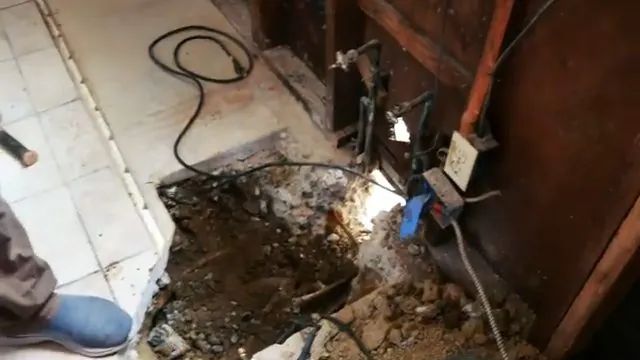
A slow leak in a wall is a harder case because the damage is hidden. If you suspect one, water leak detection finds the source before drying begins.
Damage Assessment, Major Loss Inspection and Insurance Records
For a bigger loss, a plumber or restoration technician walks the affected areas, records moisture readings and photographs the damage. That record helps when you talk to your insurer. The insurer decides what is covered; keep your questions about coverage with your agent.
A vacant home that has had a long leak is the extreme case. Damage can be extensive by the time anyone notices, and a thorough inspection with a written moisture map is the starting point for any claim.
Mold Removal
Mold needs moisture, and water damage supplies it. Mold removal means containing the area, removing affected materials such as drywall, and cleaning surfaces so the mold is not spread through the house. It also means fixing the moisture source, because mold returns where water keeps coming.
Mold under a bathroom sink after a slow leak, around an air conditioner closet and on materials soaked by a long-ignored leak are all common. This page covers removal. Replacing the finished surfaces is a separate trade.
Mold Testing, Inspection and Assessment
Testing answers a simple question: is there mold, and where? An inspector looks for visible growth, checks moisture and, where it helps, takes air or surface samples. A musty smell with no visible growth is a reason to inspect. A condo association or a buyer sometimes asks for a written assessment. Removal then follows the findings, not a guess.
Mitigation, Remediation and Who Does What
Mitigation is the first phase: stopping further loss by extracting water, drying the structure and removing materials that cannot be saved. Remediation is the wider term for cleaning and treating the area afterward, including mold. Water damage companies use both words, and a plumber explains which one applies to your loss.
A leaky pipe behind a wall can leave an unpleasant odor weeks before anyone sees a stain. A general contractor normally handles rebuilding once the structure is dry. Residential and condo losses follow the same sequence, and an urgent response matters more than the label on the job.
Leaks From Roofs, Ceilings, AC Lines and Sprinklers
Not all water damage starts with a pipe. A roof leak, an air conditioner condensate line, an irrigation line or a neighbor's sprinkler can all soak a room. The water still needs to come out and the area still needs to dry, though the repair of the source is another trade.
Basement waterproofing and foundation inspection are separate from plumbing and drying. If water keeps entering from outside, drying alone will not hold. Condos, apartments and commercial spaces follow the same drying process, and storm or rain flooding uses the same equipment. A pipe that is still running at night is a separate call to the main line on the home page.
Homeowner Questions, Answered
Who do I call first, a plumber or a water damage company?
Stop the water first. If a pipe, a heater or a drain is still leaking, a plumber stops the source, and drying cannot finish while water is still coming in. If the source is already stopped, extraction and drying start right away. One call to the water damage line at (888) 681-3447 covers both questions.
How long does it take to dry out a house after a leak?
Drying usually takes several days, and it depends on what got wet, how much and how long it sat. Equipment runs around the clock, and the plumber or technician measures moisture each day to decide when the materials are dry. Stopping early is how hidden moisture turns into mold.
Can I pull up the wet carpet myself?
You can take up small amounts of standing water and lift furniture off wet carpet. Pulling carpet and pad is better left to the water damage crew, because the pad often has to go and the subfloor under it has to be dried and checked. Sewage-contaminated carpet should not be handled without protection.
Do I need mold testing after water damage?
Not always. Visible mold, a musty smell that does not clear, or water that sat for more than a couple of days are reasons to test. Testing tells you whether mold is present and roughly where. Removal then follows the findings. If the area was dried fast and shows no signs, testing may not be needed.
Water Damage in Wildomar? Call Anytime
Night, weekend or holiday, one call reaches the water damage line.
- Licensed and insured plumbers
- Same-day service when available
- 24/7 emergency dispatch