Water Softener Repair, Filters and RO in Wildomar, CA
Wildomar water ranges from moderate to hard, and scale shows up in heaters, fixtures and glassware. Plumbers serving the area install and repair softeners, filters and reverse osmosis units.
- Licensed and insured plumbers
- Same-day service when available
- 24/7 emergency dispatch
Hard Water in Wildomar Homes
Hard water leaves scale. It builds inside water heaters, clogs aerators and leaves spots on glass. Wildomar water comes through Elsinore Valley Municipal Water District, which blends local groundwater with imported supply, and the hardness changes with the blend.
EVMWD's 2025 water quality report lists a hardness range of 76 to 240 mg/L, and groundwater sources run higher, between 230 and 400 mg/L. Hardness at the lower end is moderate, and at the upper end it is hard enough to scale a heater over time.
Scale or Spots at Every Tap? Call Today
Describe what you see, and a plumber serving your area explains what fits your water.
Water Softener Installation
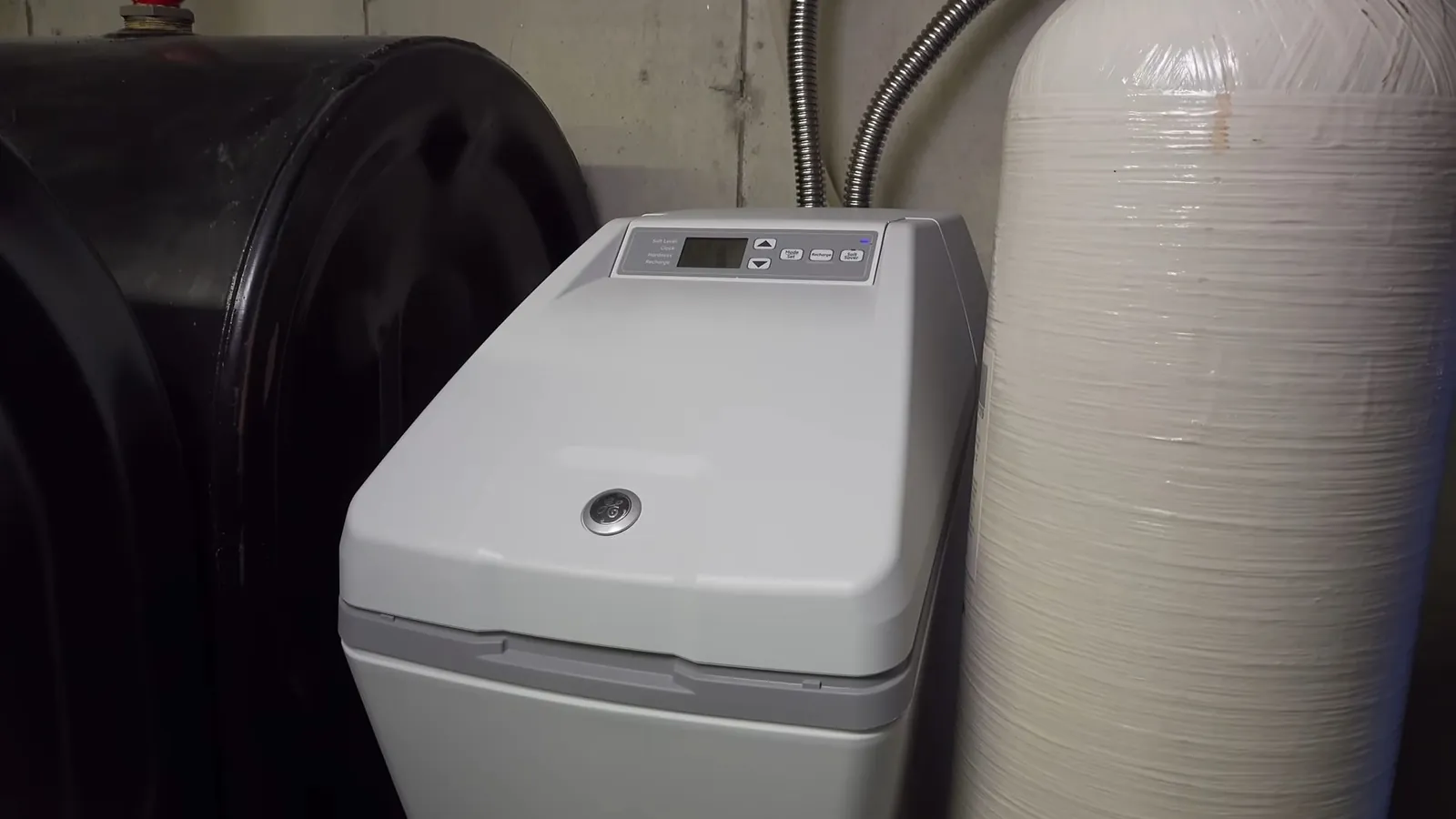
A softener installs on the main supply after the shutoff, with a bypass valve so the house can run untreated if the unit needs service. It also needs a drain for the regeneration water and, for most models, a power outlet nearby.
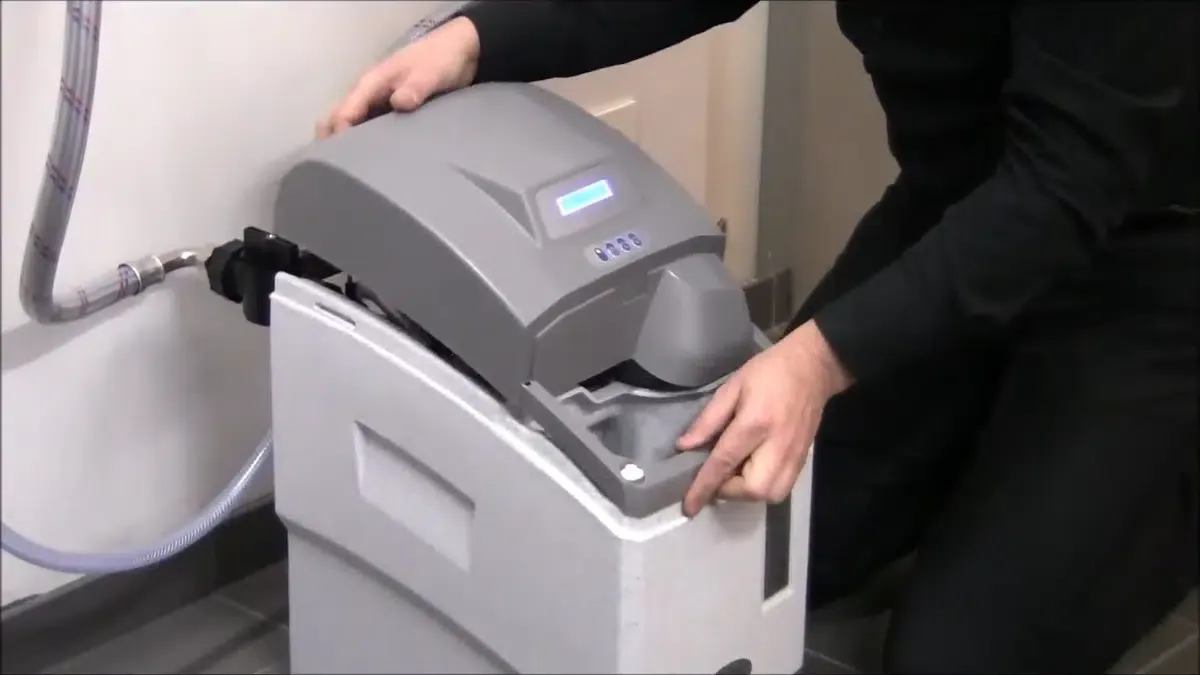
Location matters. Garages and side yards are common, and the unit has to be protected from freezing in places where that matters and from direct sun. A plumber sizes the unit to the household and the hardness, so it does not regenerate every day or run short.
Water Softener Repair and Service
| Symptom | Likely cause | What a plumber checks |
|---|---|---|
| Scale and spots are back | Resin worn out, or regeneration not running | Hardness at the outlet, the valve and the timer |
| Salt level does not drop | Salt bridge or a stuck brine line | The brine tank and the injector |
| Brine tank overfills | Float or valve failure | The brine valve and the float |
| Constant drain flow | Stuck valve or a damaged seal | The control valve and the drain line |
| Low pressure after the unit | Clogged resin bed or valve | Flow through the bypass and the unit |
Resin typically lasts many years. When a unit is old and parts are hard to find, replacing it can cost less over time than repeated repairs.
Salt, Brine and Regeneration
A softener holds resin beads that catch hardness minerals. When the beads are full, the unit flushes them with brine from the salt tank and rinses the minerals down the drain. That cycle is regeneration.
Salt type matters. Pellets and crystals both work, and potassium is an alternative for people who want to avoid sodium. A brine tank that is kept topped up and cleaned occasionally avoids most problems.
Softener Not Working? Call for Service
Dispatch can book a visit to check the valve, the brine tank and the resin.
Reverse Osmosis and Under-Sink Filters
Reverse osmosis pushes water through a fine membrane that removes dissolved solids. An under-sink unit installs on the cold line with a small faucet and a drain saddle, and treats water for drinking and cooking.
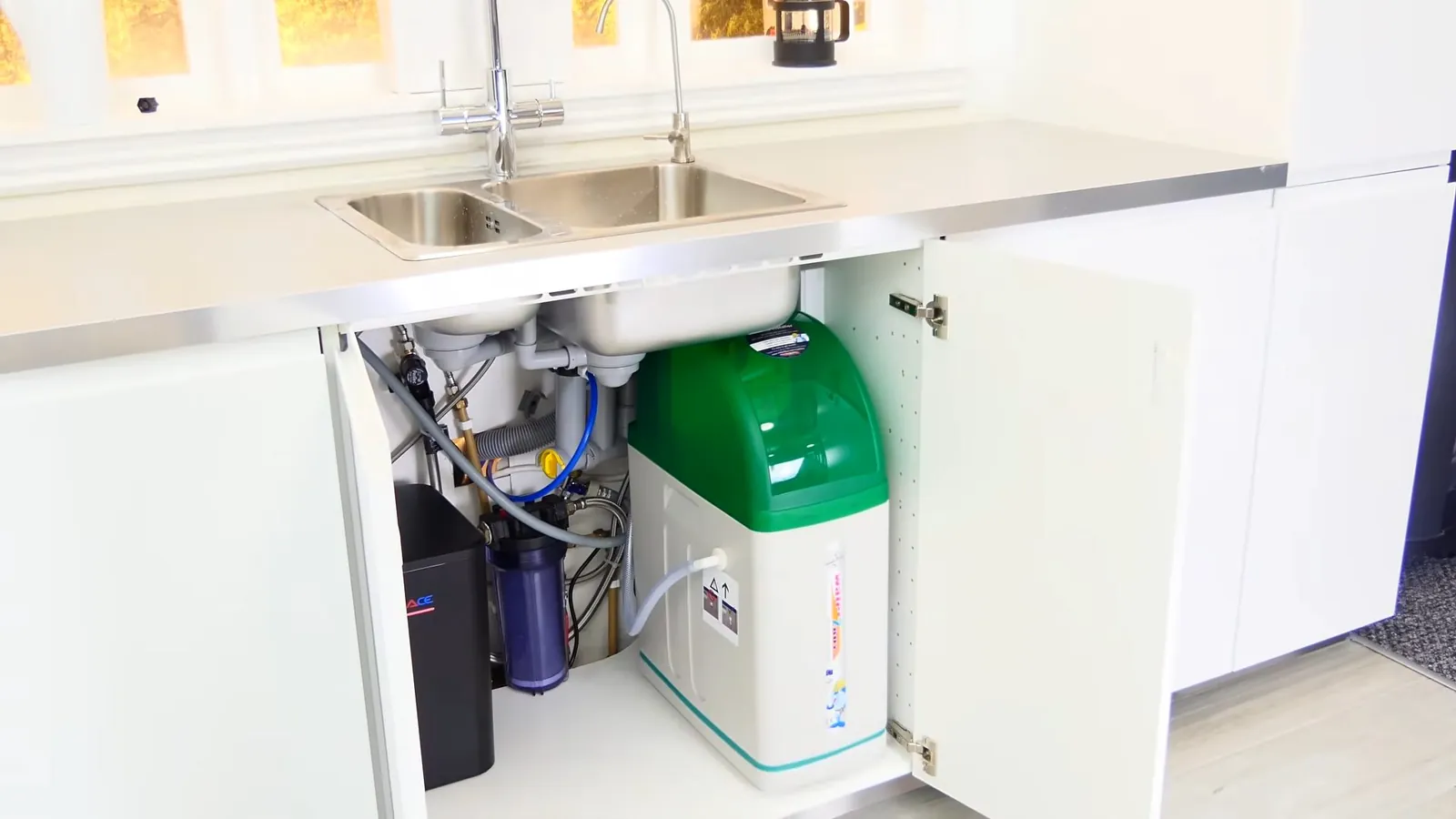
A simpler under-sink filter handles taste and chlorine. It costs less to run and has no drain line, but it does not reduce dissolved minerals the way reverse osmosis does.
Whole-House Filtration and Water Conditioning
A whole-house filter sits on the main line and treats all the water that enters the home. A sediment filter catches particles, and a carbon filter reduces chlorine taste and odor.
Water conditioners are an alternative that uses no salt and changes how minerals behave rather than removing them. They do not soften water the way an ion-exchange unit does, so expectations should match the technology. A plumber can explain the difference for your water.
Protecting Heaters and Fixtures From Scale
Scale insulates the bottom of a water heater tank, which makes the heater work harder and wear sooner. The water heater visit page covers the effects, and a tankless service is especially sensitive to scale.
Pipes inside the house can be affected too, and older ones may be made of metals a treatment unit does not fix, so treatment is one piece of the picture. For pipes that are failing, the pipe replacement page explains your options.
Replacement Systems and Whole-Home Treatment Systems
A treatment system that no longer keeps up is worth replacing, not patching, when the resin is spent or the control valve has failed. A replacement system is sized fresh for the household and the water, which may have changed since the first unit went in.
If someone drops an object, such as a box cutter, into the brine well, a plumber can retrieve it before it damages the valve. A system that sits behind a backflow device or a pressure regulator needs space and clearances, which the plumber plans before the unit is delivered.
Choosing Between Softening, Filtration and Both
| Goal | Usually fits | Notes |
|---|---|---|
| Stop scale on fixtures and heaters | Water softener | Whole-house, installed on the main |
| Better tasting drinking water | Under-sink filter or reverse osmosis | One tap |
| Less chlorine in every shower | Whole-house carbon filter | Replace cartridges on schedule |
| Both scale and taste | Softener plus a drinking-water filter | Often installed together |
Most softener work can wait for a daytime visit, but a leaking tank or valve at night can go through dispatch.
Details People Ask About
How do I know if I have hard water?
White crust on faucets and showerheads, spots on glasses, soap that will not lather and a film in the tub are the usual signs. A simple test kit or a lab test gives a number. EVMWD reports a hardness range in its water quality report, so local water is not soft, and the level at your tap depends on the supply blend.
What does a water softener do, and what does it not do?
A softener swaps hardness minerals for sodium or potassium, which protects pipes, heaters and fixtures from scale. It does not make water cleaner or safer to drink. Taste, chlorine and contaminants are handled by filtration, not softening.
Why is my softener not using salt or making soft water?
Common culprits are a salt bridge in the brine tank, a stuck valve or a timer that stopped regenerating. Resin that has worn out after many years also stops softening. A plumber can tell which one by checking the brine tank, the valve and the water hardness at the outlet.
Is reverse osmosis worth it for drinking water?
It is a good fit if you want the taste and the dissolved solids reduced at one tap. An under-sink unit treats drinking and cooking water only. It does not soften the whole house, and it needs a filter change on a schedule.
Can I install a whole-house filter or softener myself?
Some homeowners do. The work involves cutting into the main supply, adding a bypass and a drain line for regeneration, and sometimes an electrical outlet. A mistake can flood a garage or void a warranty, so many people call a plumber for the install.
Ready for Softer Water? Call Now
One call to talk through softening, filtration or both.
- Licensed and insured plumbers
- Same-day service when available
- 24/7 emergency dispatch